
Learn about the iconic Toni Stone and the mark she left on the world of baseball.
Marcenia Lyle “Toni” Stone was born July 17th, 1921 in either West Virginia or Minnesota, but it is unclear due to multiple conflicting sources. (For example, mnopedia.org has her listed as being born in Bluefield, West Virginia and later moving to St. Paul Minnesota, but britannica.com has her being born in St. Paul, Minnesota). At a young age she fell in love with the game of baseball and was even known for skipping school to go play. Even with the early disapproval of her parents, and the constant discrimination she faced for being a black female, Stone became a trailblazer in the baseball world.
In this article you will learn more about the iconic Toni Stone and how she overcame both racism and sexism to play the game she loved.
Getting into the Game
While growing up it was easy to see how amazing of an athlete Toni was. She was involved in multiple sports such as football, hockey, and her mother even tried to get her into figure skating since it was more “ladylike”, but Toni was born to play baseball. She got her first real chance when she joined her local church’s youth baseball team, which her parents finally approved of due to it being a church activity. While playing for the church team Toni was constantly teaching herself how to play the game.
This all finally paid off when she joined the Twin City Colored Giants, which was a semi-professional team that at the time was all-male.
Going Pro
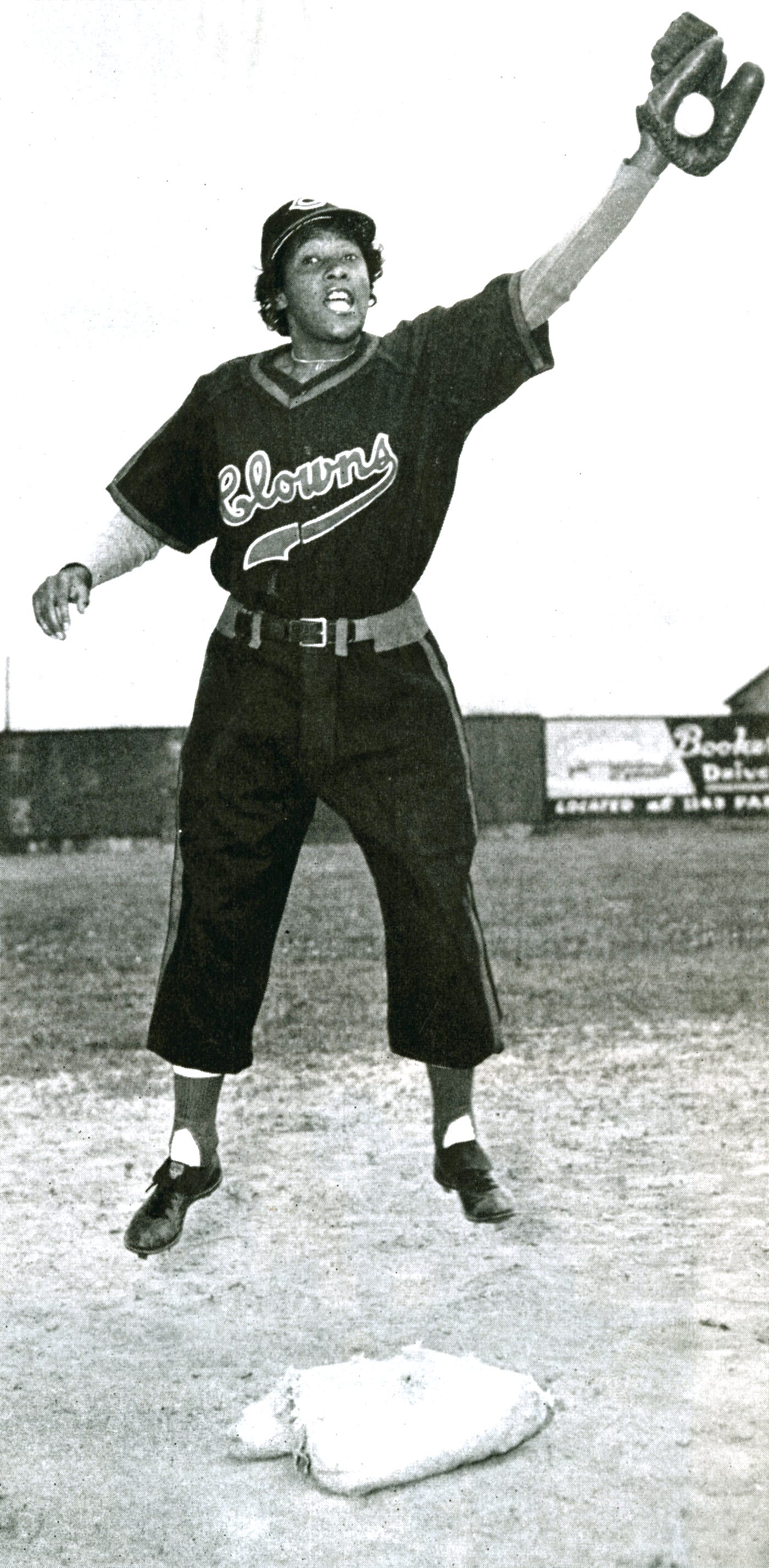
After breaking the first barrier of making an all-male semi-pro team, Toni was set on making baseball her life. She would drop out of high school and move in with her sister in California to pursue her dreams. Toni would do anything she could to help her chances even if it meant lying about her age. In order to join the local amateur baseball team in San Francisco, Stone lied and claimed she was 17 while actually being 27. Just a few years later in 1949, Stone would join the San Francisco Sea Lions.
The Sea Lions were formally apart of the West Coast Negro Baseball League, which lasted only one year before disbanding, but it was still a step in the right direction for Toni. After leaving the Sea Lions and spending the years of 1949-1952 playing for the New Orleans Creoles, based in the Negro Southern League, Stone joined the Indianapolis Clowns, her first professional baseball team.
The Clowns were part of the Negro American League which was one of the many Negro Leagues that were formed during the times of segregation. Stone had some big shoes to fill though, she would be replacing the future Hall of Famer Hank Aaron at second base for the Clowns. Her arrival to the professional scene was not all great though, as she continued to due to discrimination due to being a female.
Which begs the question of why did Toni not pursue professional baseball in an all-woman league? Well that comes from the fact that there was only one professional baseball league for women and it was still heavily segregated at the time as it consisted of only white players.
“People weren’t ready for me” -Toni Stone
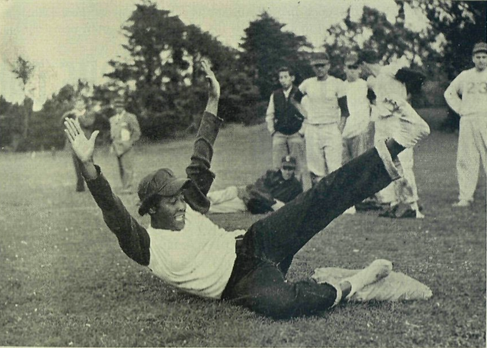
Toni knew that making it on to a professional team was one thing, but dealing with the new environment and constant discrimination from players, coaches, and fans just added to the challenge. It was well known that Toni could not even use the same locker room as the team and was forced to change elsewhere. Some fans would show up just for Toni, but some were not as welcoming with one instance even having a fan yell “Why don’t you go home and fix your husband some biscuits.” (Rosengren, W. by: J. (n.d.). Toni Stone, Connie Morgan and Mamie Johnson blazed a trail for women in the negro leagues. Toni Stone, Connie Morgan and Mamie Johnson blazed a trail for women in the Negro Leagues | Baseball Hall of Fame. https://baseballhall.org/) Even with the added distractions Toni stood strong and is even reported to have pulled off the incredible feat of getting a hit off of the legendary Satchel Paige.
In her own words, “People couldn’t get a hit against him. I stood there shaking, but I got a hit. Right out over second base. Happiest moment in my life.” -Stone on facing Satchel Paige. (Toni Stone | MLB.com. (n.d.). MLB.com. https://www.mlb.com/history/negro-leagues/players/toni-stone)
Toni would go on to have a batting average of .243 that season with the Clowns and helped draw huge crowds at every game. Her professional career would be short lived though as she would would go on to retire after just two years in the Negro American League.
Legacy She Built
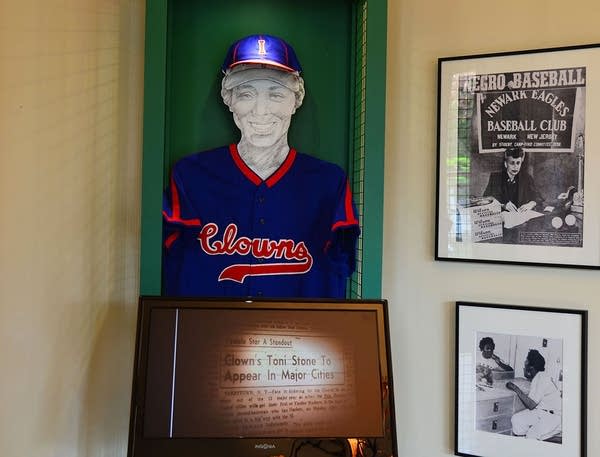
Even in just her short professional career, Toni had taken the baseball world by storm. She helped break down the barriers that had held women, especially of color, back in the world of baseball. After her retirement she became a nurse and lived with her husband until he passed, and then Toni later passed on November 2nd, 1996. Even after her passing her legacy is painted all around the sport of baseball. She has multiple exhibits in the Baseball Hall of Fame and has even been inducted into the Women’s Sports Hall of Fame.
Her legacy even lives on in both writing and theatre as author Martha Ackmann wrote the book Curveball: The Remarkable Story of Toni Stone, the First Woman to Play Professional Baseball in the Negro League. Inspired by this book a playwright by the name of Lydia Diamond began to write a play about Toni Stone and her life. (Toni Stone | Radcliffe Institute for Advanced Study at Harvard University, n.d.)
“A woman has her dreams too… A woman can do many things.” – Toni Stone